

Modern trauma training is crucial for police and security forces. In emergency situations, every second counts, and taking the right action can save lives. It is therefore essential that emergency personnel have in-depth knowledge of first aid in order to be able to effectively protect and care for both themselves and other people.
No previous experience is required to participate in modern first aid courses. The German Red Cross, for example, offers courses that can be completed without previous knowledge. These training courses are aimed at people from various areas such as federal and state police, fire departments, security services, school, family, leisure and anyone who wants to take on responsibility in the private sector, for example at home. The Vollmergruppe Safety Academy has also designed its courses to train as many first aiders as possible.
The content of the training courses covers both theoretical and practical aspects and places particular emphasis on safety, self-protection content and the protection of fellow human beings. The aim is to strengthen competence in various areas and life situations — whether in a professional environment, in leisure time, in the family or at home.
It is possible to take part in events, continuing education and special training courses in order to continuously expand and keep first-aid expertise up to date. In this way, participants are empowered to act calmly and responsibly in emergencies and to ensure the safety of themselves and others.
Why standard first aid is not enough in use
Police, security services and government officials regularly find themselves in high-risk situations:
- gunshot wounds
- stab injuries
- severe bleeding
- Multiple injuries
- Stress and high-pressure situations
A classic first aid course for driving licences or businesses only covers these scenarios in a superficial way. The content of the training courses for police and regulatory authorities, on the other hand, includes both theoretical and practical aspects in order to be specifically prepared for the special requirements of deployment.
What is often missing?
- Prioritizing in case of massive bleeding
- safe use of a tourniquet
- Wound packing for deep injuries
- tactical assessment of the situation
- Care under stress
This is exactly where modern trauma education starts. Specialized training is necessary so that emergency personnel can safely apply the specific content and measures and meet the special requirements during deployment.
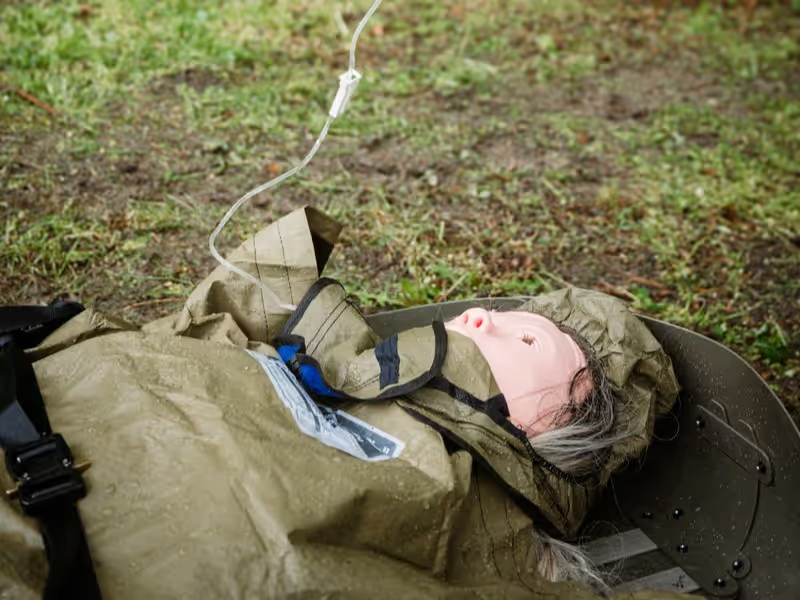
Typical injury patterns in official use
gunshot wounds
Gunshot wounds often result in:
- massive external bleeding
- internal injuries
- states of shock
Gunshot wounds are always an emergency. The police are often the first to arrive on site and must provide life-saving emergency measures in such emergencies, such as cardiopulmonary resuscitation, hemostasis and stable lateral position.
Every minute counts here. The ability to immediately stop critical bleeding is the difference between life and death.
stab and cut injuries
Knife attacks or glass injuries also cause:
- deep soft tissue injuries
- bleeding that is difficult to control
Such injuries often occur in accidents and require particularly rapid and targeted care.
Without training in wound packing and pressure dressing techniques, initial measures are often ineffective.
Stress-related mistakes
Under stress, the following worsens:
- fine motor skills
- Decision-making ability
- Situational awareness
Especially in a critical situation, as can occur in emergencies or dangerous situations, a clear awareness of the situation is crucial in order to take life-saving measures prudently and effectively.
Therefore, modern first aid training for police must be trained realistically.
Tourniquet: life-saving tool in use
The tourniquet is one of the most important instruments for bleeding control.
A structured procedure according to the B-scheme (bleeding control), as used in TECC principles and by emergency services, is crucial for acting quickly and efficiently in emergency situations. Rapid hemostasis using a tourniquet or pressure bandage is a lifesaver, particularly in the case of gunshot or knife stab injuries. Bleeding to death is the number 1 preventable cause of death.
But:
Just owning isn't enough. You have to be able to use it correctly under stress.
When is a tourniquet used?
- massive limb bleeding
- amputation
- uncontrollable arterial bleeding
Mistakes in practice
Structured trauma training significantly reduces these errors.
Practical exercises based on real scenarios also help to avoid typical mistakes made by first aid police and to consolidate the correct behavior in emergency situations.
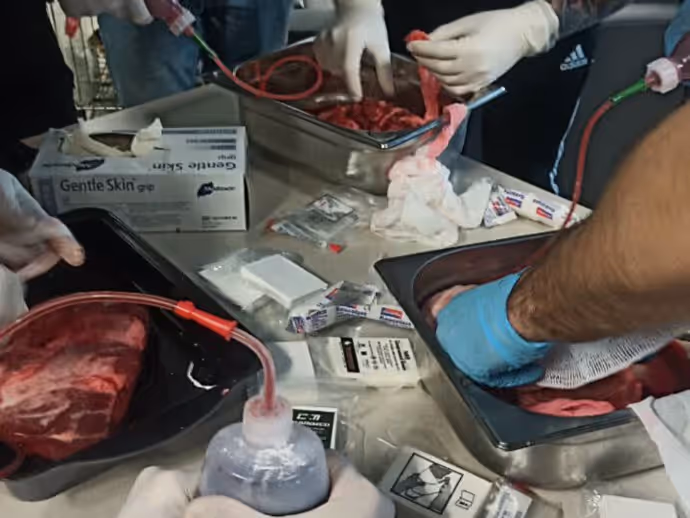
Wound packing & hemostatic drugs
Deep injuries in the groin or armpit area cannot be treated with a tourniquet.
This is where wound packing comes in.
Modern first aid courses also teach how to identify and provide initial treatment for poisoning so that you can act quickly and correctly even in such emergencies.
STOP THE BLEED® courses are a valuable addition to normal first aid courses, as they teach specific techniques to stop bleeding.
Training objectives
- correct introduction of the material
- Pressure build up
- Securing with bandage
- Handing over to rescue workers
The training also prepares people for treatment of acute illnesses.
Modern tactical emergency medicine systematically integrates these techniques.
Cardiopulmonary resuscitation in use
Cardiopulmonary resuscitation (CPR) is one of the most important measures when it comes to saving lives in acute emergency situations. Situations in which a cardiovascular arrest occurs at any time, particularly during the day-to-day operations of police, security forces and first responders — whether following a traffic accident, stabbings, gunshot wounds or even as a result of alcohol intoxication.
In such moments, every second counts: CPR ensures that blood circulation and oxygen supply to the body are maintained until emergency services arrive or further measures are possible. This includes rhythmic compression of the sternum and — if possible — ventilation of the patient. Modern first aid training for police and security forces therefore places great value on regularly training and refreshing these skills.
Many authorities, including the Federal Police and the German Armed Forces, offer special courses and training on cardiopulmonary resuscitation. Here, police officers, first aiders and other emergency personnel learn how to act quickly and effectively in an emergency — even under stress and in difficult situations. In addition to manual CPR, the use of automated external defibrillators (AED) and advanced techniques such as the use of a laryngeal tube are also taught.
It is important that CPR is always part of a comprehensive first aid concept. It is supplemented by measures such as stopping bleeding, caring for injured people and securing the respiratory tract. Only those who master all of these skills can act responsibly and save lives in emergency situations.
That is why everyone who is responsible for other people on duty — whether a police officer, security service, soldier or first aider — should regularly take part in CPR courses and continuing education. This keeps knowledge fresh, increases security of action and ensures care for injured people even in extreme situations. Because in an emergency, it is not only the right knowledge that counts, but above all the ability to act quickly and decisively.
Stress training: The decisive difference
Standard first aid is usually practiced in a quiet environment.
Operational reality looks different.
Modern training for security forces includes:
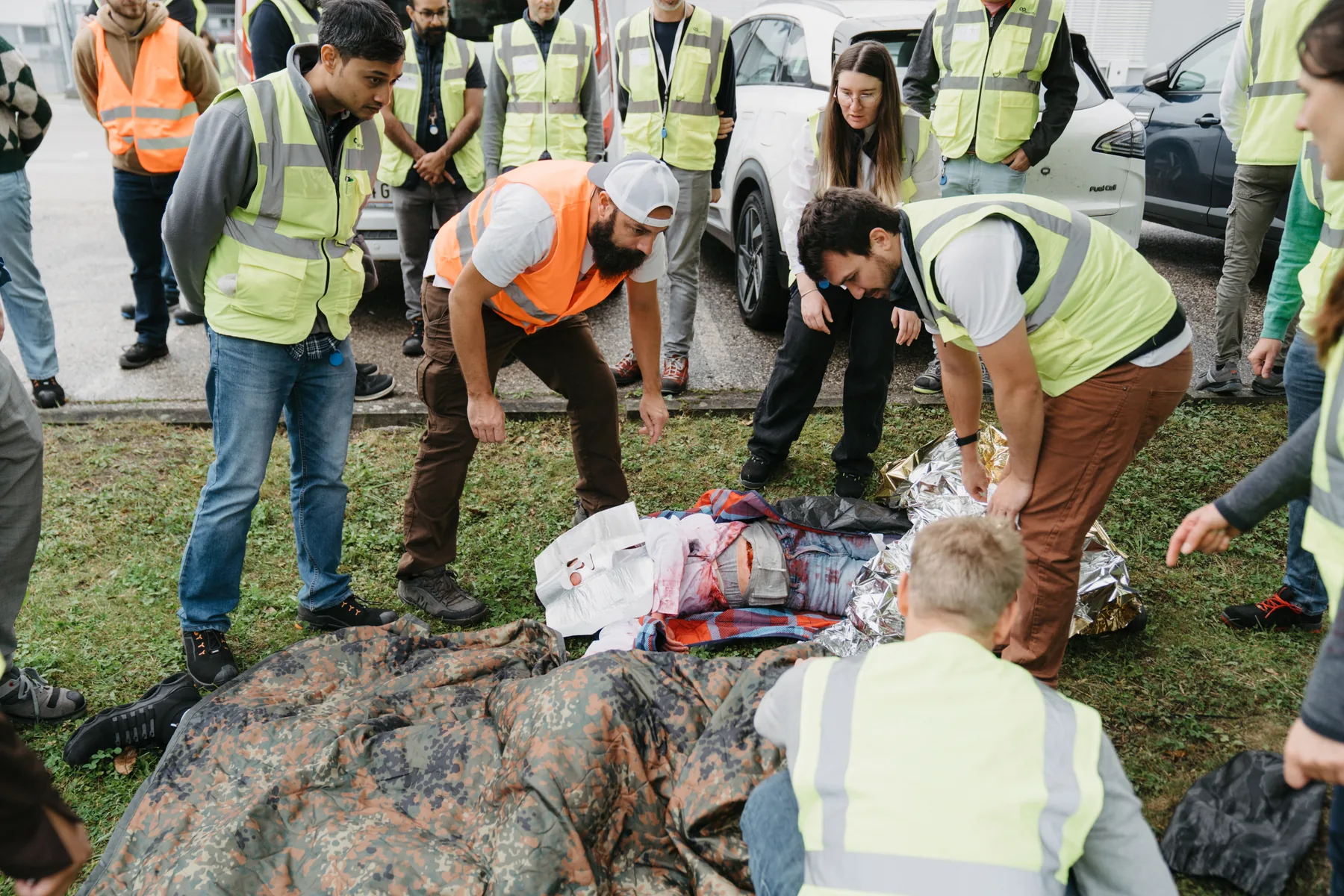
- Scenario training
- time pressure
- background noise
- team coordination
- Priorities under threat
This is the only way to ensure certainty of action.
Targeted training prepares for crisis situations and increases the ability to provide first aid safely and effectively in such situations.
Rescue chain in the regulatory environment
Police and security are often on site before emergency services.
That means:
They are the first medical authority. It is particularly important to assess the situation in order to adapt the right initial measures to the respective hazardous situation. The police medical service supports emergency services both during large-scale operations and in training officers.
Professional training includes:
- Self-protection
- Situation assessment
- Stop bleeding
- Secure airway
- Heat retention
- structured handover
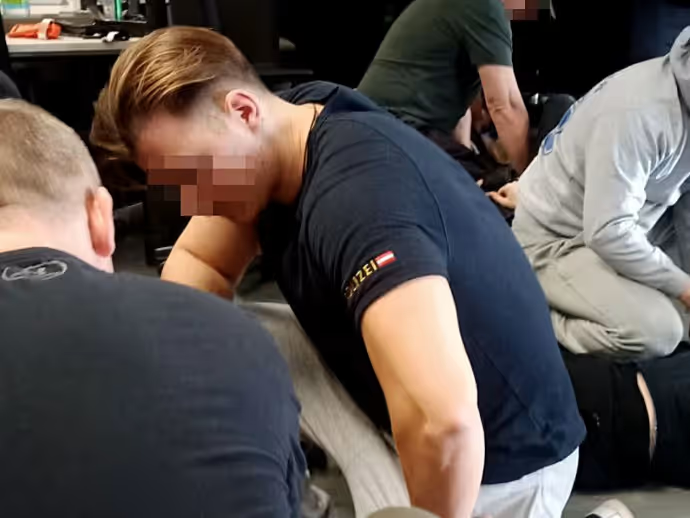
Difference: standard course vs. trauma training
The course duration for STOP THE BLEED® is usually 1 to 2 hours and usually comprises 2 to 3 lessons, depending on the provider and course format.
Why public authorities should rely on modern education
Professional trauma training increases:
- Survival probability of colleagues
- Self-protection
- Safety of action
- team coordination
- stress resistance
Particularly for police and security forces, excellent first aid expertise in emergency situations such as traffic accidents, stabbings or gunshot wounds is crucial in order to be able to act quickly and safely. First Aid training strengthens self-confidence, promotes community responsibility and enables you to effectively help others. In crisis situations, the presence of trained first aiders can significantly increase the chances of survival of those affected.
It reduces:
- Bad decisions
- delays
- unnecessary escalations
.avif)
Who is specialized training suitable for?
- police
- military
- security services
- bodyguard
- Range Officers
- Judicial staff
Conclusion: Modern first aid saves lives in action
Standard courses are not enough for emergency personnel.
Who regularly with:
- weapons
- threat situations
- violence
- stressful situations
is confronted, requires specialized trauma training.
All police officers also receive sound training in first aid so that they can act quickly and competently in an emergency.
In addition, special EHSH (First Aid Self-Protection) courses are offered for disaster and crisis preparedness, which prepare emergency services and the population for exceptional emergencies and strengthen self-and external help in crisis situations.
Request professional government training now
Do you want to prepare your unit, team or organization for an emergency?
Our trainings combine:
- modern first aid
- tactical emergency medicine
- stress training
- Scenario training
- realistic simulation
It is possible to request individual training specifically for the needs of your organization.
👉 Request non-binding training now.
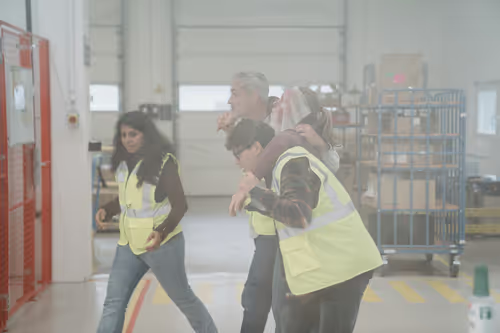
Request a realistic simulation
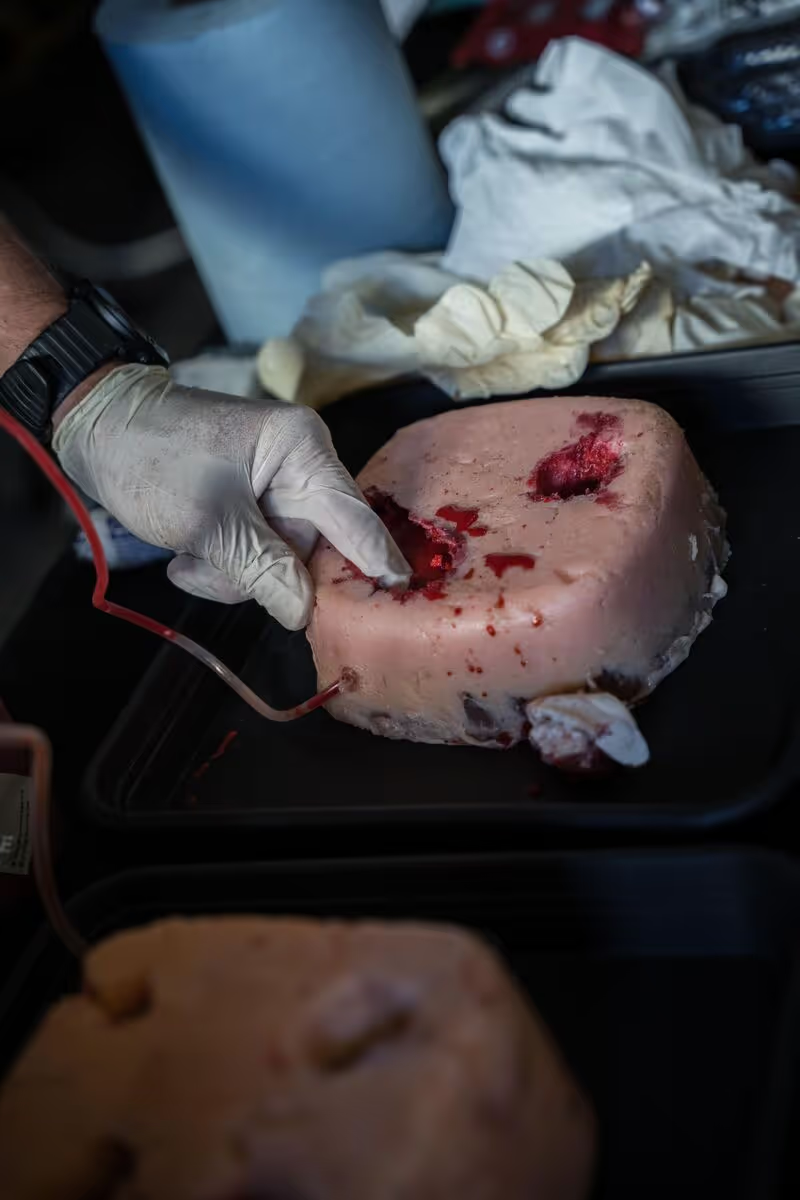
Transform your emergency training with realistic wound simulations and scenarios to create an intensive and effective learning experience for your team.
Discover our trauma kits
Purchase premium trauma kits, including tourniquets, bandages, and other essential materials for emergencies in challenging environments.
Book your first aid course
Prepare your team for critical situations with hands-on training and real scenarios. Learn how to react quickly in emergencies.

.avif)
.avif)